The Padel Squad
Bringing padel to your school
and university
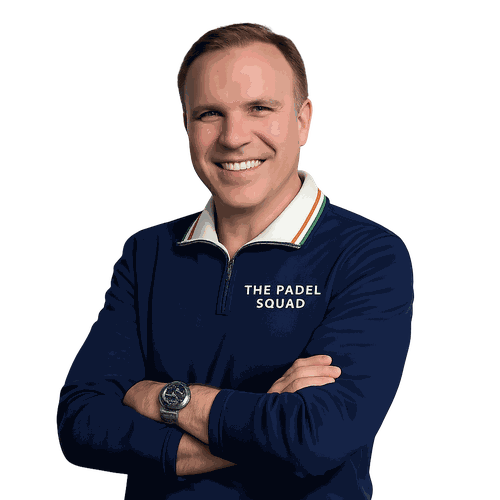
Matt Needham
Squad Leader
A national network of padel facilities on hundreds of campuses — free for pupils and students; open to staff, families, alumni and local communities; and at no cost nor operational burden to schools and universities.
To unblock the barriers that prevent schools and universities from introducing padel — capital expenditure, operating cost, site constraints, planning, design, construction, timetabling, safeguarding, coaching supply, commercial risk, institutional governance, and the sheer decision-making complexity of getting a new sport from committee approval to campus — and through doing so, help alleviate the national shortage in courts that is holding back the sport, the country, and the communities that would benefit most.
Padel is the fastest-growing sport in the world, and the UK’s obsession with it is unmatched. UK residents search more actively for padel, pay more per court, engage more socially, and generate more revenue per court than any other market on earth. But Britain ranks 15th out of 17 major padel nations for court density, with just 1.7 courts per 100,000 people. To reach the top ten by the Brisbane 2032 Olympics, the UK needs to build 1,400 courts per year — roughly 4x the current pace.

Every school has squads. The first team squad. The sports squad. The group that trains together, travels together, and competes together. It is a word that lives on team sheets, in PE departments, and in the language pupils already use.
That is exactly what The Padel Squad is building — but the squads extend far beyond the court.
Every squad has a Squad Captain. Every Captain is accountable for the experience and outcomes of the people in their squad. And above them sits the Squad Leader — accountable for the network as a whole, for the connections between squads, and for ensuring that what The Padel Squad promises to a school, a community, or an investor is what The Padel Squad delivers.
The word carries one more thing worth naming: padel is typically a doubles sport — four people on a court. A squad is never one person — it is always a group, always social, always requiring others to show up. In a world where isolation is rising and screen time is replacing real-world connection, a sport that makes human interaction unavoidable deserves a name that reflects what it asks of the people who play it.